
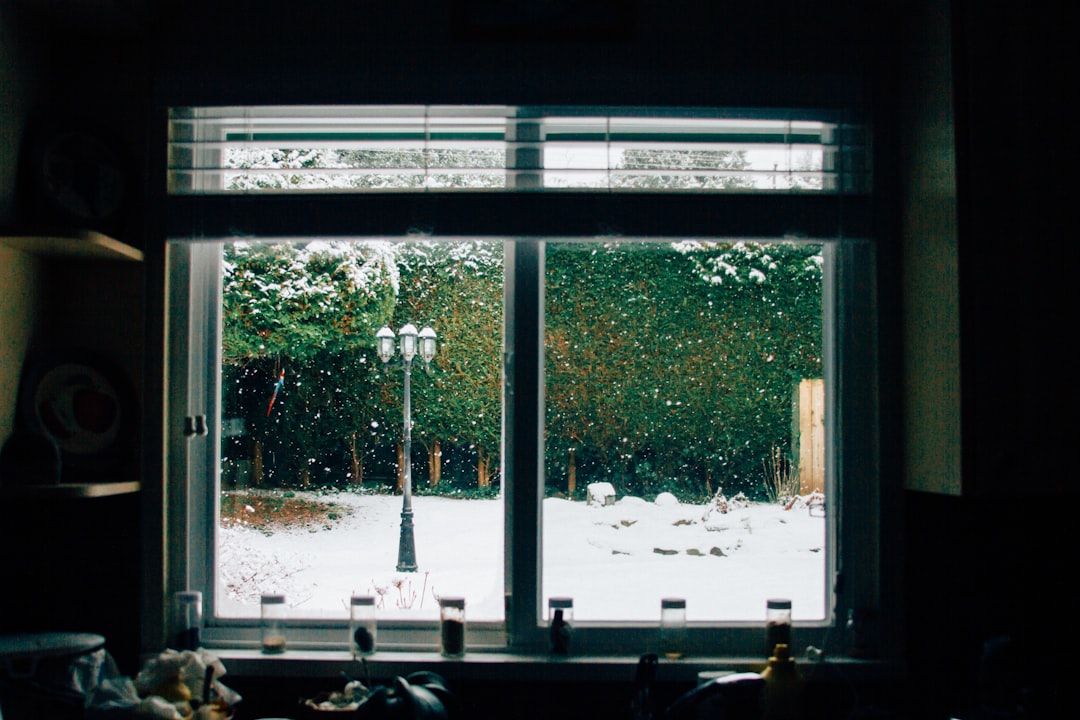
Why getting your windows ready before winter matters in Quebec
The Quebec winter is hard on your windows. With temperatures that regularly drop below -25°C and strong winds, every gap in your windows' air seal turns into an icy draft and dollars lost on your heating bill. The ideal time to act is September and October, when temperatures are still mild enough for outdoor work and the pros aren't yet swamped with last-minute requests.
The complete winter prep checklist
Visual inspection (30 minutes for the whole house)
Go around every window and exterior door, inside and out:
- Exterior caulking: look for cracks, lifted beads, and gaps between the frame and the siding. Any defect should be fixed before the freeze. See our caulking guide for the techniques.
- Weatherstripping: close each window and check the seal. Slide a piece of paper between the frame and the sash — if the paper slides out easily, the weatherstripping is worn and needs to be replaced.
- Thermos (sealed glass unit): spot any window showing fog or deposits between the panes. A failed thermos going into winter means major heat loss over the next 5 months.
- Cracked glass: even a small crack can turn into a complete break with the freeze. Have the thermos replaced before winter.
- Frames: check the condition of the wood (rot, swelling), the vinyl (cracks, warping) or the aluminum (corrosion, damage).
Air-tightness test (15 minutes)
On a windy day, or by creating negative pressure in the house (close all the windows, turn on the range hood and bathroom fans):
- Run your hand or an incense stick along the perimeter of each window and door.
- Note the spots where you feel a draft or see the smoke pull sideways.
- Pay particular attention to the bottom corners (that's where seals fail first) and to the thresholds of exterior doors.
Priority repairs to do in the fall
Priority 1: Caulking and weatherstripping
These repairs are the most urgent and the least expensive. Redoing deficient caulking and replacing worn weatherstripping can be done in a single day for a whole house. Caulking costs $8 to $20 per linear foot and replacing weatherstripping, $30 to $80 per window. The effect on your comfort is immediate.
Priority 2: Replacing fogged thermos units
Sealed units showing fog have lost their argon gas and their insulating capacity. Replacement should happen before the deep cold — ideally in September or October. Manufacturing takes 2 to 3 weeks, so plan early.
Priority 3: Patio door hardware
A patio door that doesn't close properly is a major source of heat loss. Worn rollers, a lock that won't engage, a broken floor guide — all this hardware needs to be working before winter.
Seasonal window changeover
- Remove the screens and store them indoors. Screens slightly reduce solar gain — taking them off for the winter maximizes free heat from the sun.
- Install the storm windows if your house has them (especially homes built before 1980).
- Apply shrink-film insulation on your worst-performing windows. See our window insulation guide for the details.
What to do during the winter
- Control humidity: keep relative humidity between 25% and 35% when the outdoor temperature is below -10°C. This prevents excess condensation and ice buildup on the windows.
- Don't block the heat registers located under windows — warm air circulating along the glass prevents condensation.
- Open the curtains during the day (especially on the south side) to benefit from solar gain, and close them at night to add a layer of insulation.
- Never scrape ice off the inside of your windows with a metal tool. Use a warm, damp cloth.
The cost of doing nothing
Putting repairs off to "next year" is expensive. According to Hydro-Québec, up to 25% of a home's heat loss is attributable to windows and French doors. A failed thermos or missing caulking increases that share all winter long, year after year.
Don't wait for the first freeze. Contact Vosthermos as early as September to schedule your work. Check our pricing or visit our shop for available products. The earlier you act, the more choice you have on dates, and the better you avoid the October–November rush.